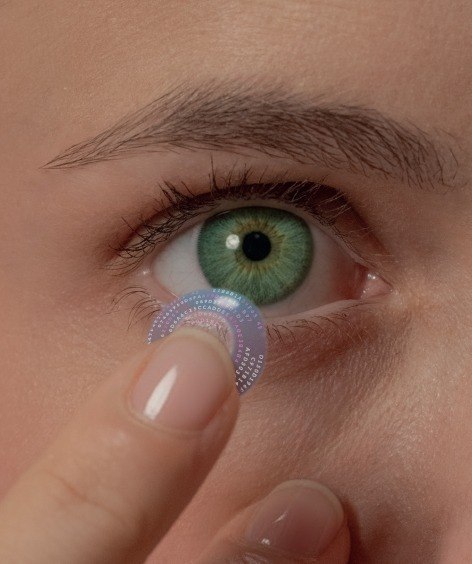
“AI at Work: Driving Change, Not Exclusion“
As AI reshapes the workplace, HR is stepping into a more strategic role. Nolwenn Ahodi, HR Director, Advisory France & Francophone Africa at KPMG, shares her vision of AI as a driver of transformation, collective performance, inclusion and the revaluation of human skills.
Find the interview in our first issue of Symbiotic Magazine.
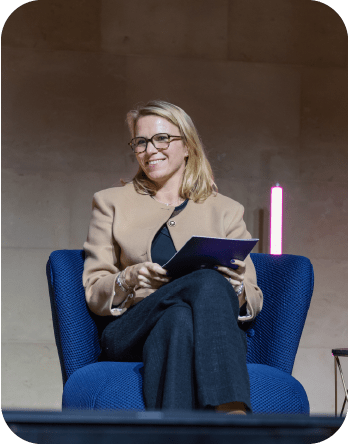
Q: What is your perspective on AI-driven transformation?
Nolwenn Ahodi: I see AI as a catalyst for differentiation and competitiveness. Its purpose is not to replace humans, but to enhance their ability to create value.
This differentiation will also depend on the mindset surrounding its adoption. We often talk about a “growth mindset.” AI will amplify this dynamic by encouraging curiosity, self-reflection, and critical thinking. But not everyone is equally equipped to embrace technology—regardless of generation—and that’s where companies have a real role to play in supporting their people.
Ultimately, the challenge is not technological. It’s deeply human.
Q: Why is HR a key department in the age of AI?
N.A.: AI is profoundly reshaping organizations, professions, and our relationship with work. It forces us to redefine the value of individual contribution within the company—not just through hard skills, but also through the ability to learn, adapt, and collaborate.
Our role in HR is clear: to guide this transformation and new way of working, turning it into a lever for both individual and collective growth. That means helping each person upskill, anticipating the impacts, and ensuring AI doesn’t become a source of exclusion, but rather an opportunity for growth and fulfillment. This is at the heart of our mission at KPMG.
Q: How is AI transforming consulting professions?
N.A.: AI is already redefining our service offerings, delivery models, and pricing strategies. But the real challenge—for us and our clients—is helping our people evolve.
Consulting today is a hybrid discipline, blending digital tools with human judgment. Embracing AI means doubling down on the human value of our expertise: more innovation, deeper insights, greater efficiency, and more impact for our clients. But it only works if we move forward with trust and ethics—two non-negotiable pillars for our firm.
Q: What concrete initiatives are you implementing at KPMG within the HR department?
N.A.: KPMG has launched a global $5 billion investment plan focused on technology, upskilling, and AI platforms built on our own data, methodologies, and industry knowledge. Every employee is trained to work on these secure platforms, and we’re gradually developing our own AI agents.
In HR, we’re using AI to map future skill needs and predict training demands. But it’s not about using AI for the sake of it, it’s about enhancing the employee experience with clear, meaningful goals. Success depends on a strong tech foundation and a shared data culture.
Q: What is your view on the human and social impacts of AI?
N.A.: AI has a profound impact on young professionals—graduates, interns, apprentices. Ironically, they’re the most exposed. Their academic paths are being questioned, their knowledge constantly challenged. It’s a wake-up call for our models.
Companies like ours have a collective responsibility: to support them, train them, and give them the tools to adapt. AI must become a driver of inclusion—not exclusion.
Symbiotic is the magazine dedicated to exploring the emerging symbiosis between humans and AI in the workplace. Discover the interview with Nolwenn Ahodi and more in Issue No. 1: “AI, a new vision of the world.”